
There’s a sacred rule in brand marketing: don’t go political. It’s one of those mantras that’s spread like holy scripture. But seriously. Aside from the 2022 Bud Light brand implosion and the 2017 Kendall Jenner Pepsi spot that should never have been, what are we really even worried about here?
THE HYPOTHESIS
The real question was: how bad could it actually be? When engaging in political satire, do people actually get the joke? Could the perfect idea be pointed and condemning enough that it resonates on the left, while giving the right something they might actually even laugh about?
THE CONCEPT
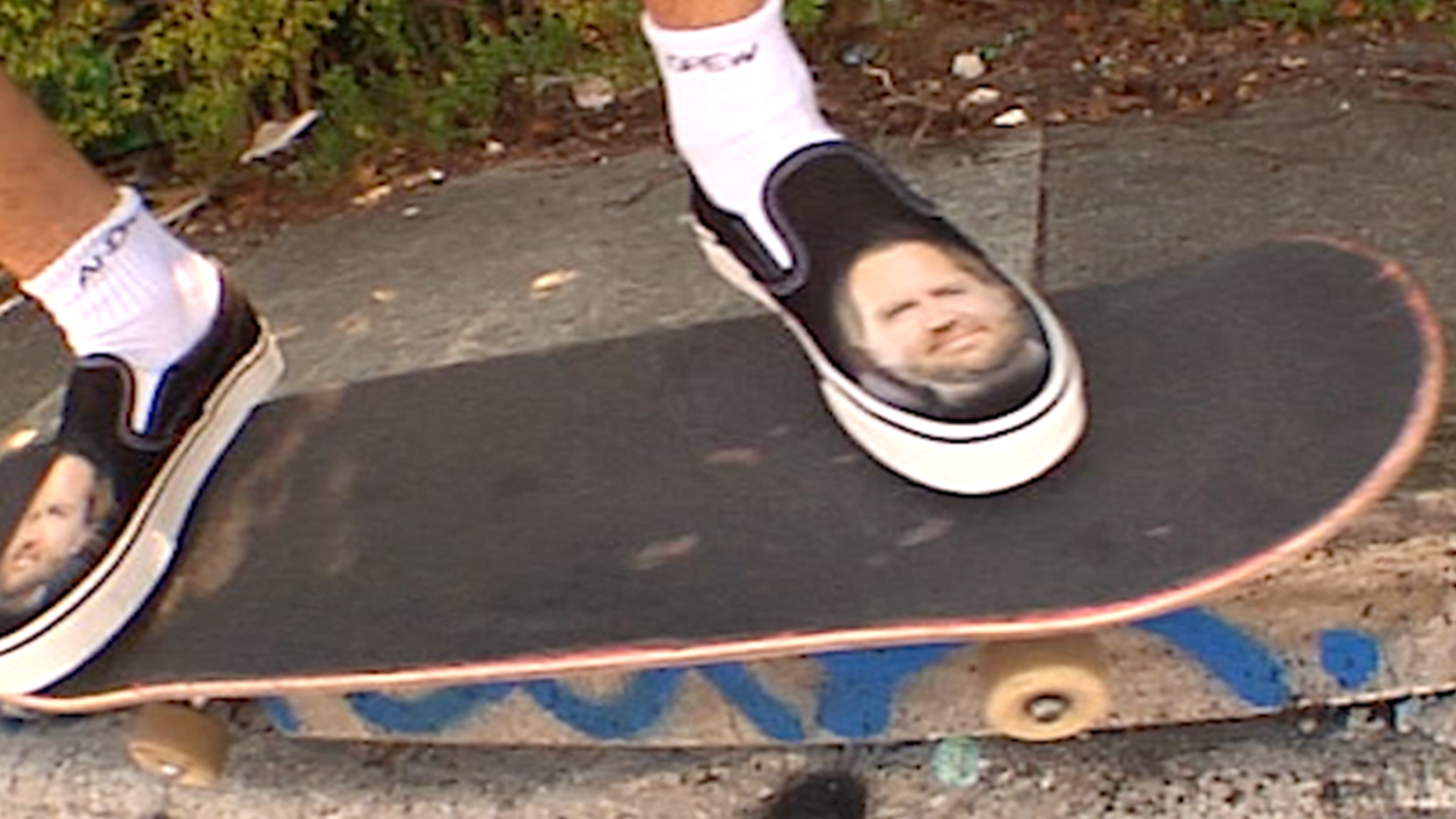
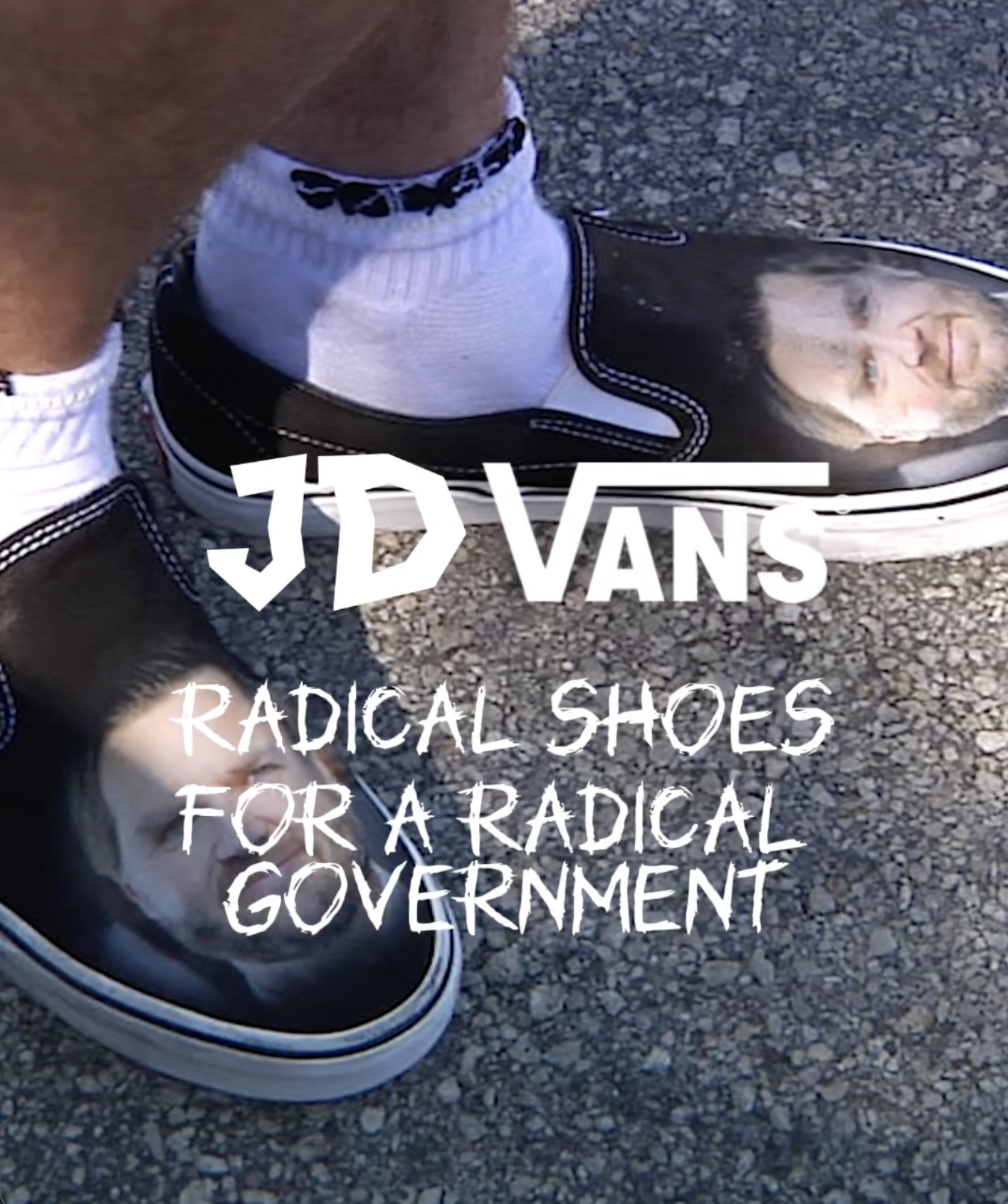
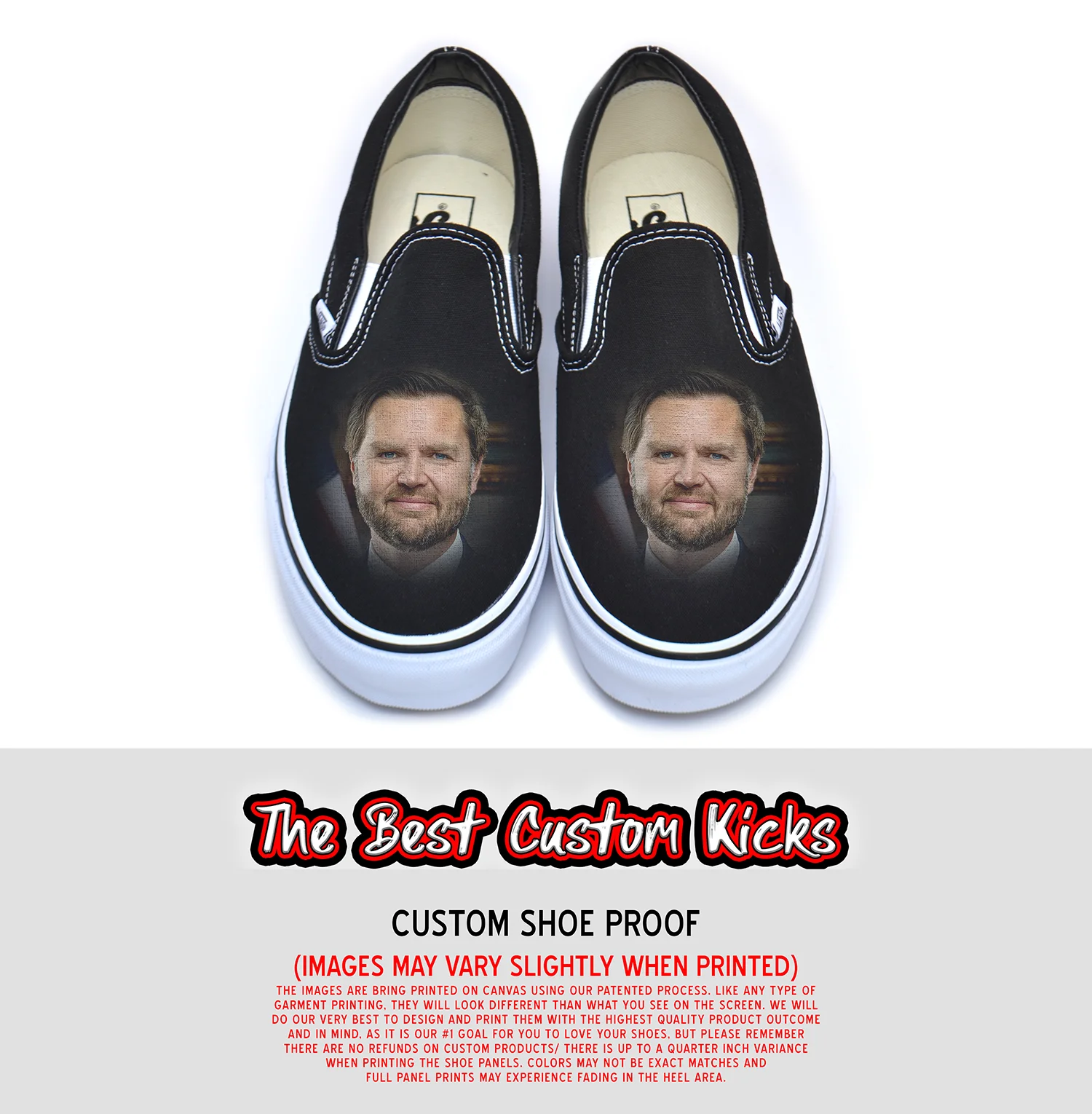
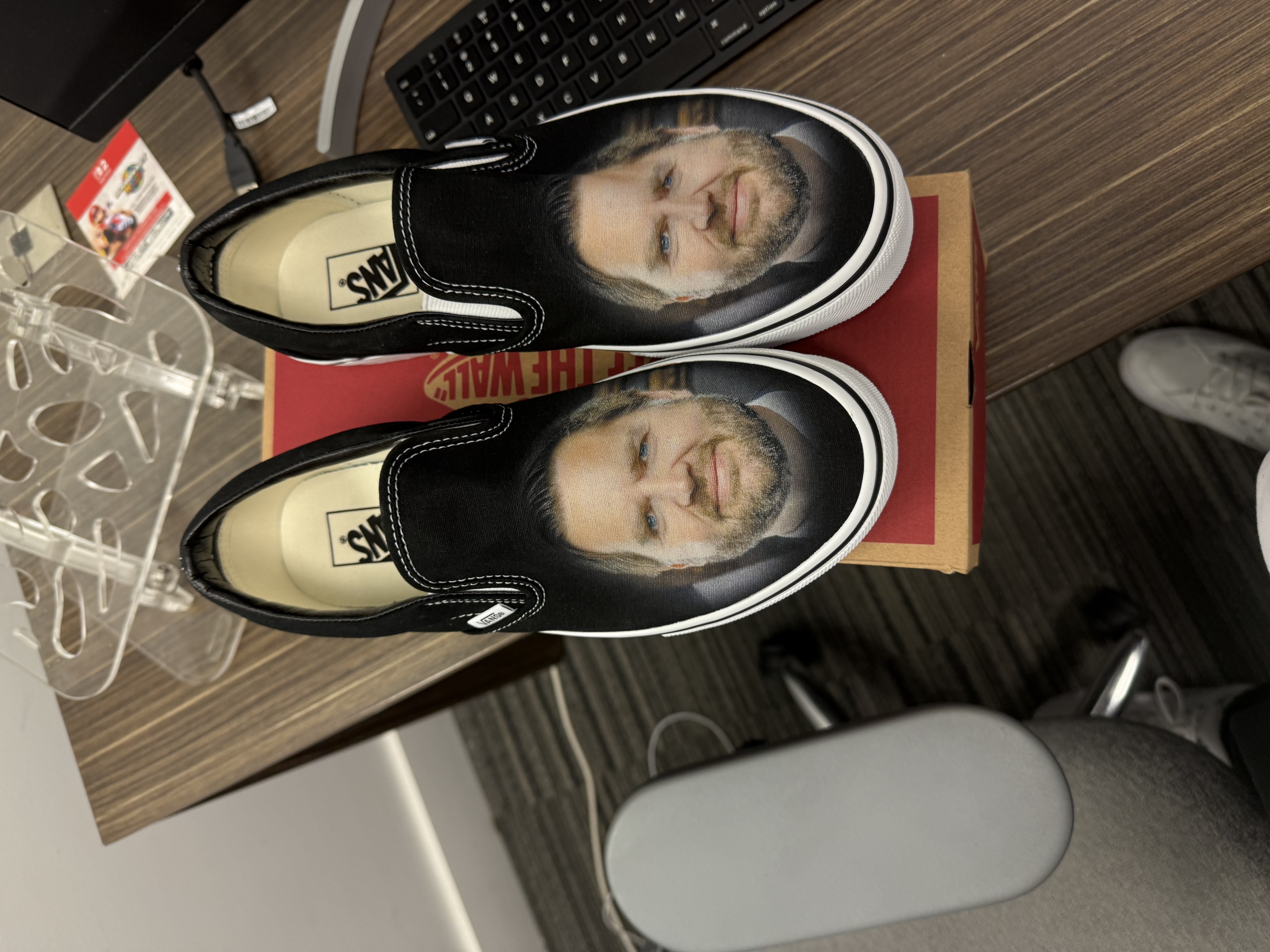
The idea was simple. A custom pair of Vans slip-ons featuring the face of Vice President JD Vance on each foot.
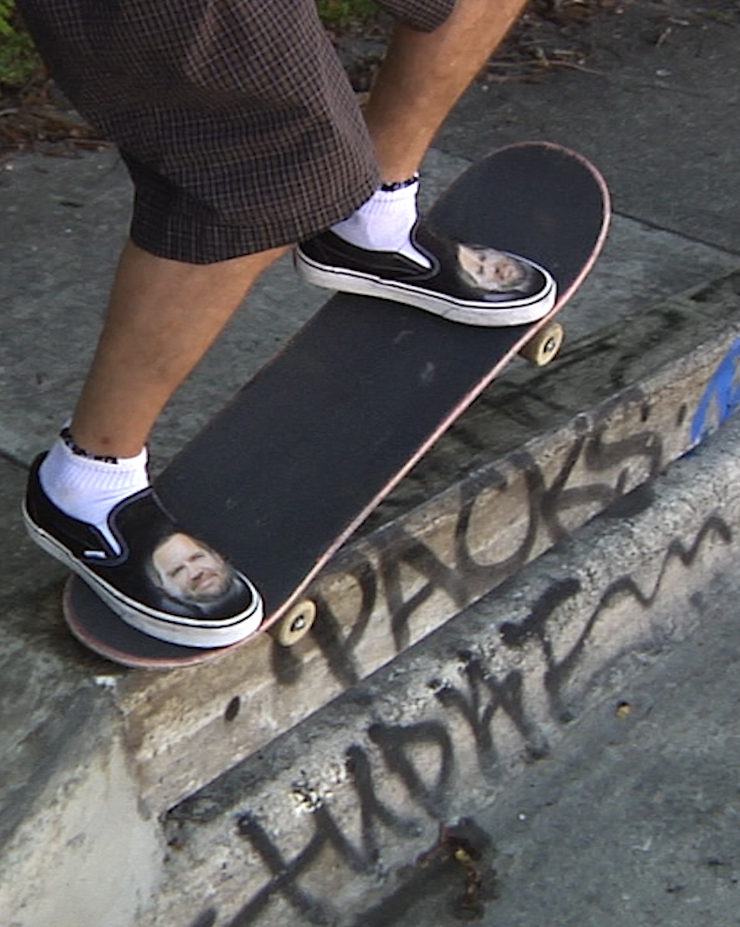
At the end of the day, the pun is obvious. JD Vance sounds like JD Vans… haha. But there had to be a conceptual reason beyond that. And then it hit us. The answer lies in the word “Radical.” It’s a word that holds weight in both the alt-right loving political world and the alternative rock loving skateboarder world.
THE DEVELOPMENT
The first step was to order a custom pair of Vans off Etsy featuring the Vice President’s face. We weren’t sure if the vendor would be uncomfortable stepping into this space, but we quickly received confirmation.
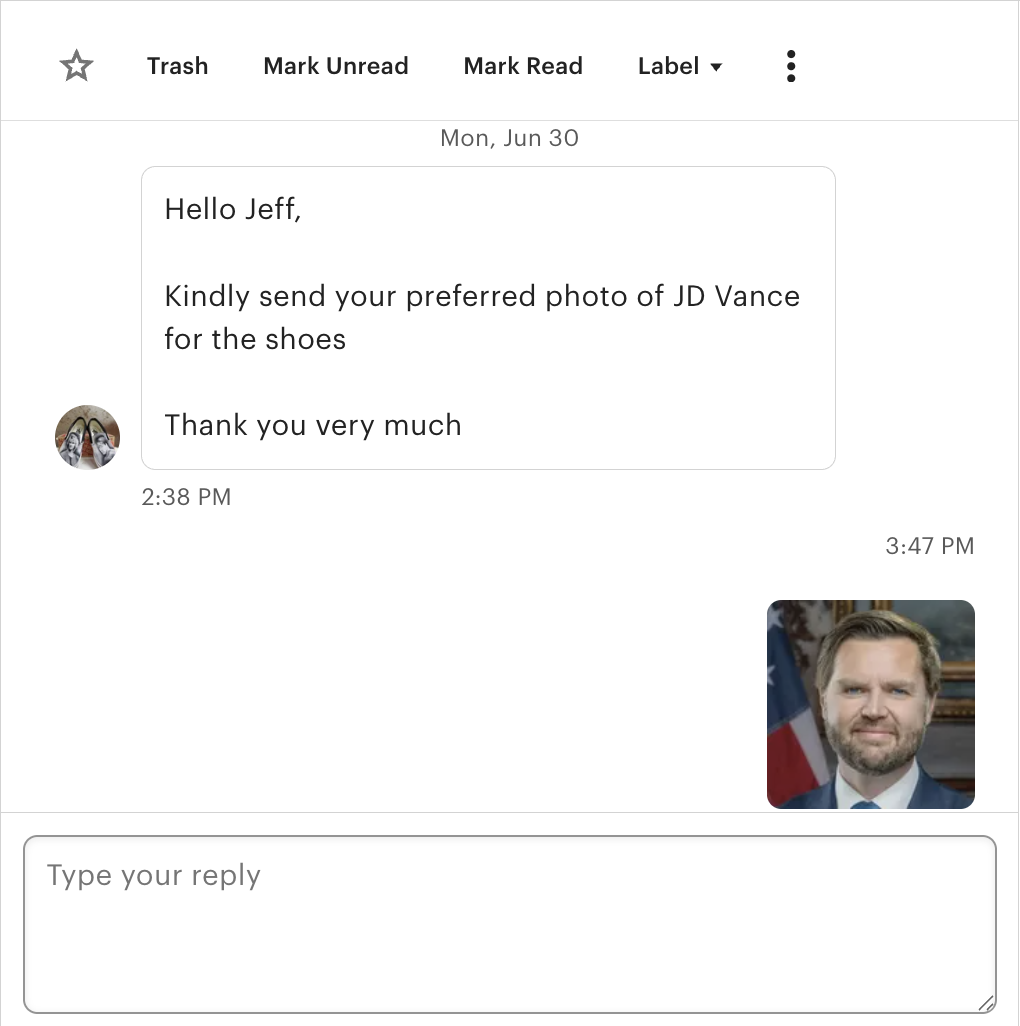
Then, we received the mock up. After a couple of tweaks, the shoes were shipped and in our hands ready to rock.
THE SKATE VIDEO
To launch the JD Vans, we wanted to release a video of a skateboarder absolutely shredding them up. So we reached out to a local Miami videographer famous for making skate content on behalf of Andrew, Miami’s coolest skateboard shop and apparel brand. He agreed to shoot the video along with one of his best skaters, and the rest is history.
THE VIRALITY
We shared the video from @runthis_, our owned Instagram page. No paid promotion. No influencer seeding. No ad spend. One post, one channel, organic distribution only. The post exploded.
Key Findings — By the Numbers
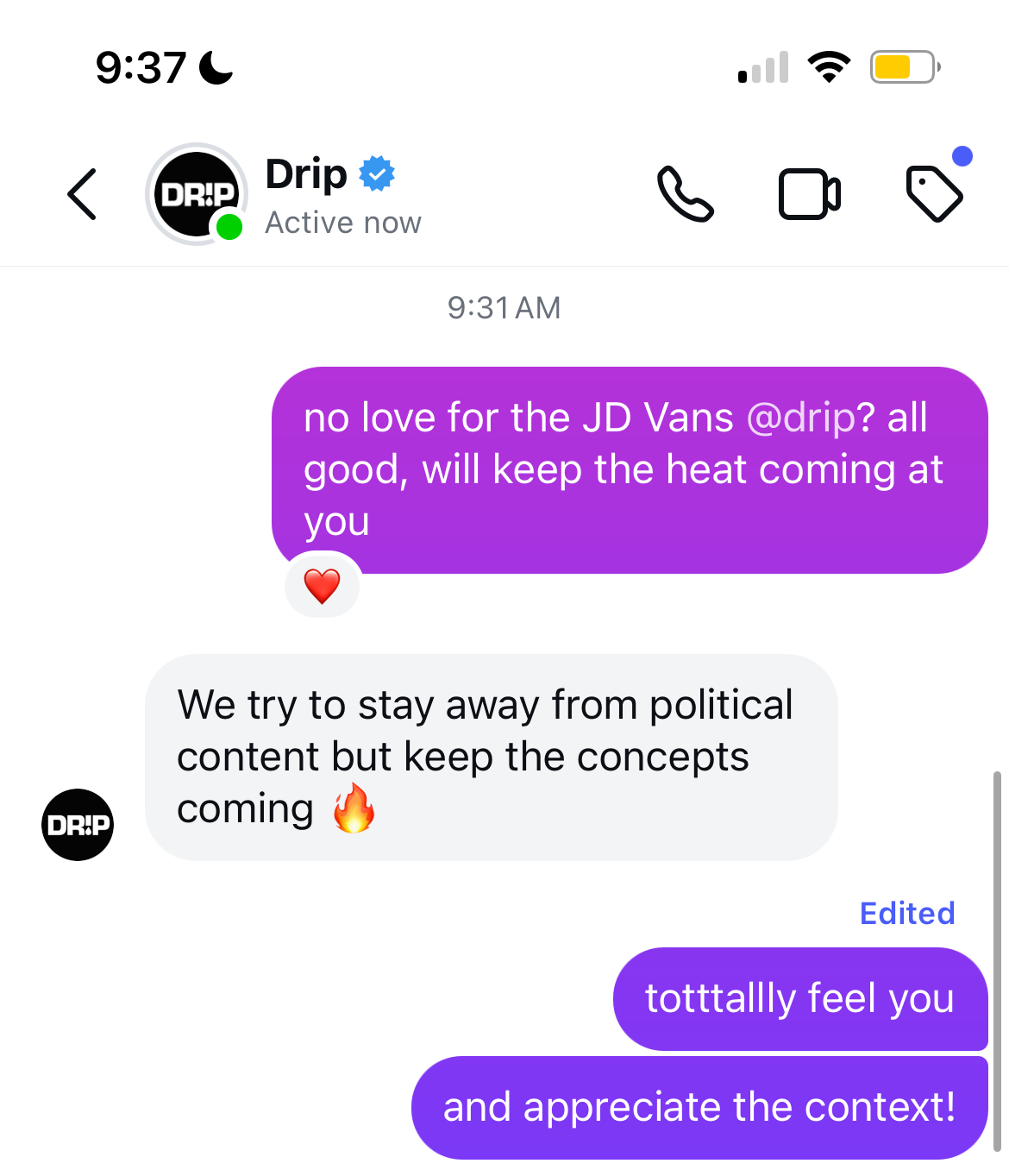
We tried to seed it to Drip, the largest fashion account on Instagram, but they followed the golden rule and refused to get political.
THE COMMENTS
And then we read the comments. 988 of them. What we found wasn’t a conversation—it was a collision. The comment section fractured into distinct camps, each interpreting the same 35-second video through a completely different lens.
The Pun Brigade
The ones who actually got the joke. Clever wordplay, couch references, and commitment to the bit.
The Right
Took it at face value. Unironic endorsement. Wanted a pair with Trump on it.
The Left
Saw it as satire and ran with it. Literary references. Cutting sarcasm.
The Hostile
The ones who came to fight. Aggressive, personal, and entirely missing the point.
The Gatekeepers
The skate purists. Didn’t care about left or right—just wanted politics out of their world.
THE TAKEAWAY
- Political content is a reach accelerant. 60.7K organic likes and 756K plays from an owned page proves that political framing can drive distribution at a scale most paid strategies can’t touch. The algorithm rewards controversy. It always has.
- The conventional wisdom exists for a reason. “Don’t go political” isn’t about being safe—it’s about the ROI of attention. Political reach is cheap attention, and cheap attention attracts cheap discourse.
- Maybe they’re right. With the right idea, you can absolutely go viral with political content. But viral isn’t the same as valuable. The oldest rule in brand marketing survived our stress test. The rule stands.