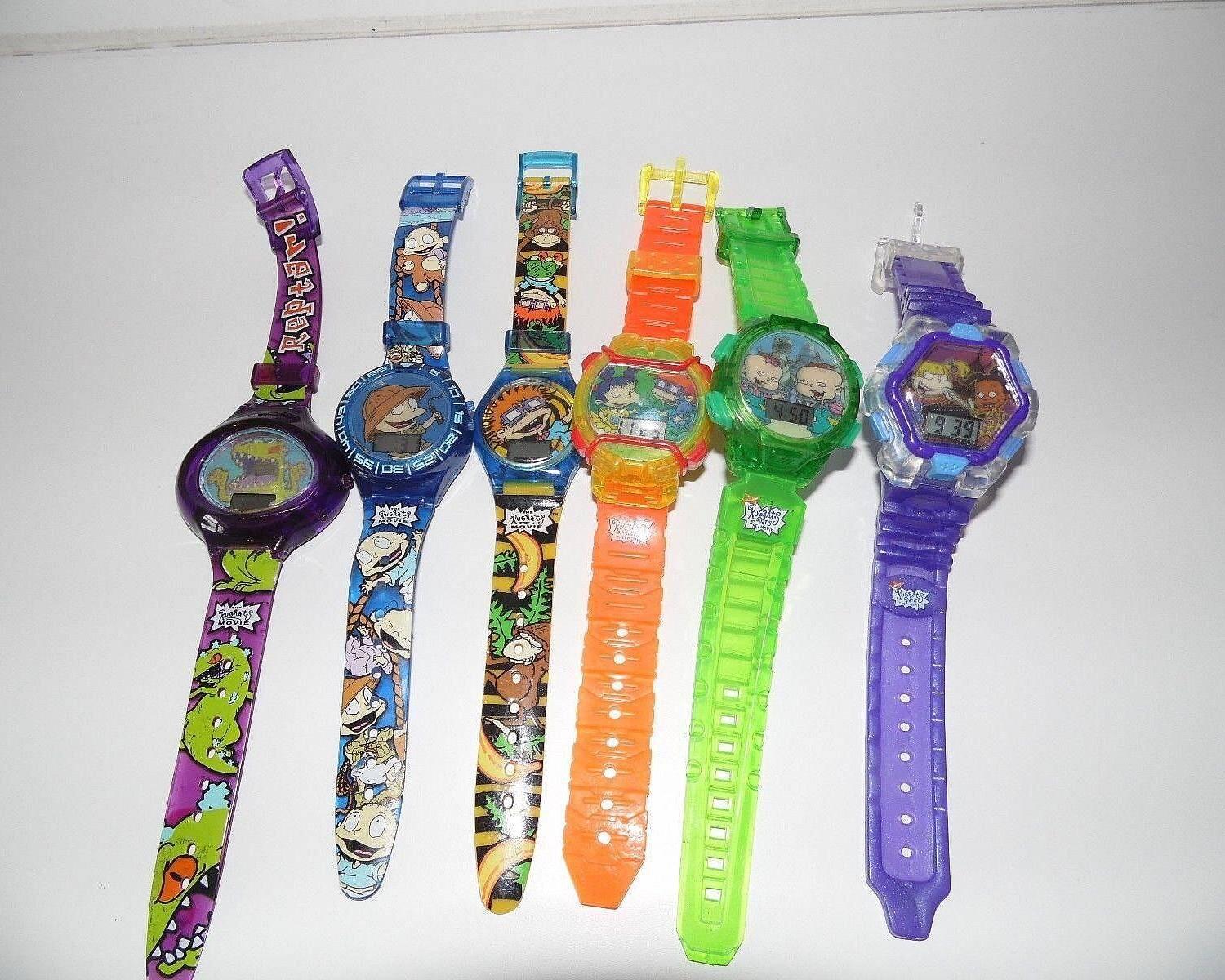
Sometime in late 2023, RunThis Rob found an old Burger King Rugrats toy watch sitting around the house. Sure. It was a glorified $1.99 piece of plastic. But to the team, it represented something bigger—a rush of nostalgia that symbolized something truly special: a physical advertisement that became one of the most sought-after accessories of the early 2000s.
THE HYPOTHESIS
Could we bring this 2000s cultural relic into the modern world with a simple makeover? And if we did, could we manufacture a brand-centric cultural moment compelling enough that Burger King would take the bait and jump in on the conversation themselves?
This wasn’t our first time playing with cultural moments. We’d spent years perfecting what we call reactvertising—turning trending conversations into tangible content for the brands we managed. The question was whether we could get a brand to react to a conversation we created ourselves.
THE IDEA
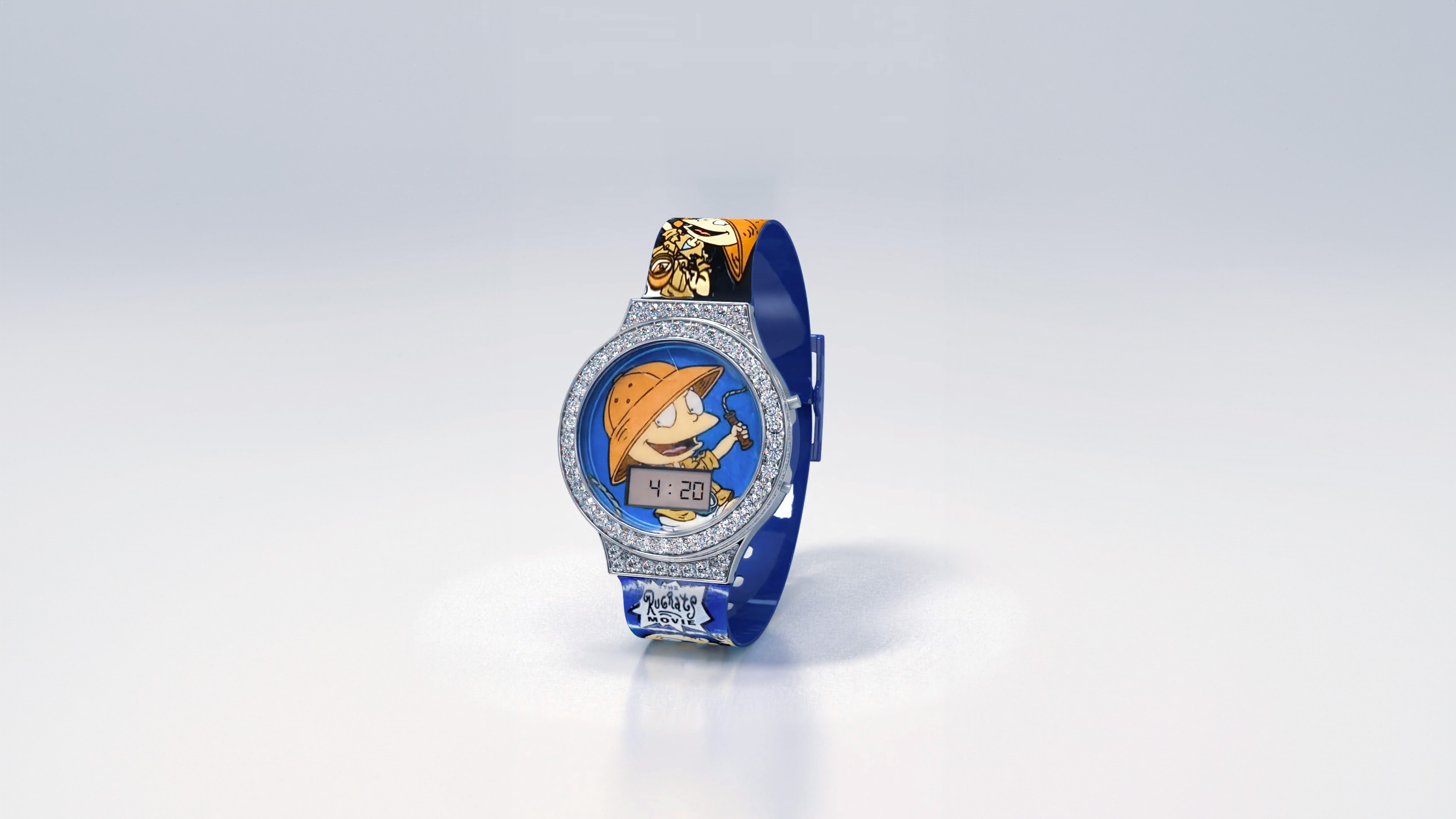
We took the Tommy Pickles BK toy watch and transformed it into the Thomas Pickles timepiece. With an iced-out bezel straight out of the NYC diamond district, this piece combined the nostalgia of a childhood cartoon and the timelessness of a VVS diamond.
The truth is, the whole thing was just a digital CAD file. But it looked real enough that it got the internet talking. And that’s exactly what we set out to do.
THE DROP
We released the reel on our RunThis Instagram with a caption that connected it to the Travis Scott Audemars Piguet collab, which had conveniently dropped earlier that morning. The contrast was impossible to ignore—a six-figure luxury timepiece versus a $1.99 BK toy with a CAD-rendered diamond bezel. The reel pulled 944 likes and 13 comments. @themfcknrapgame dropped a comment that read like a prophecy: “Here before this goes viral.”
THE EXPLOSION
Before long, the watch made it to culture pages across X. The content escaped the RunThis ecosystem and entered the wild—exactly as designed.
Three accounts. Three distinct audiences—humor, fashion, streetwear. Combined: over 1.17 million impressions on X/Twitter alone. All within two hours of each other. All on the same night. And the quote tweets told the real story—92 people didn’t just retweet the @Shtreetwear post, they wrote their own takes.
Key Findings — By the Numbers
A rhinestone-covered kids’ meal toy generated over a million impressions and pulled a global QSR brand into the conversation—uninvited.
THE BAIT, TAKEN
December 12, 2023. Exactly one week after the drop. The watch finally ended up where we set out to make it land.
Burger King UK’s official account—124K followers—quote-tweeted the @Shtreetwear post: “Your date shows up wearing this what do you do.” No pitch deck. No media buy. No DM. They found it organically and jumped in because the content was undeniable.
Then Tinder UK jumped in the replies: “proposing.”
Two brands—neither pitched, neither briefed—jumped into a conversation we manufactured from a toy watch and a CAD file. That’s the highest form of organic brand engagement. And it proved the hypothesis: we could reverse the dynamic. We could make the brands come to us.
We spent our careers jumping on viral moments for brands. The question was whether we knew enough to reverse it—to create a moment so compelling that a brand would jump on us. One week, 1.17 million impressions, and two unsolicited brand co-signs later, we had our answer.

THE LEGACY
The concept didn’t die in December 2023. Two years later, in December 2025, Lil Uzi Vert iced out a 2002 Burger King Krusty the Clown watch—this time with real Eliante diamonds. Fan pages generated 21,100+ likes. XXL Magazine covered it. The concept RunThis originated became a verified celebrity trend.
That’s the difference between a moment and a movement. Moments expire. Movements compound. The iced-out BK watch wasn’t a one-week flash—it was a cultural template that a multi-platinum artist would independently replicate two years later with six-figure jewelry. The idea had enough gravitational pull to live in the culture without us.
THE TAKEAWAY
- Timing is the invisible ingredient. Dropping the same day as Travis Scott’s Audemars Piguet collab gave the content a built-in punchline. The contrast between a six-figure watch and a $1.99 toy wrote the narrative for us. Find the cultural moment, then counter-program it.
- Perceived physicality cuts through digital noise. The watch was a CAD file. It never existed. But the internet believed it did—because it was rooted in a real object people already had emotional connections to. Reddit proved it—people shared childhood memories of the exact same toy. Nostalgia made the illusion feel tangible.
- The best content creates its own distribution. @slvppy didn’t need to be asked—they chose to post because the content was undeniable. 92 quote tweets on the @Shtreetwear post meant 92 unique entry points into the conversation. Paul Frank’s official brand account replied. Distribution wasn’t bought. It was earned.
- Cross-community resonance is the real metric. Watch enthusiasts in r/PrideAndPinion upvoted the same object that nostalgia fans in r/nostalgia upvoted. When an idea pulls three subreddits with zero audience overlap, it has cultural density—not just reach.
- Brands watch the timeline. Burger King UK didn’t need a pitch deck. They didn’t need a brief. They saw the organic conversation and jumped in because the content was undeniable. If your work is good enough, the brand will find you.
- Cultural IP compounds. Two years later, Lil Uzi Vert did the same concept with real Eliante diamonds. Ideas seeded in the right cultural soil don’t expire—they appreciate.